Studio Integration Approaches for Combining Teen Patti Variants into Roulette and Blackjack Experiences
Carlo Richter · Oct 26, 2026
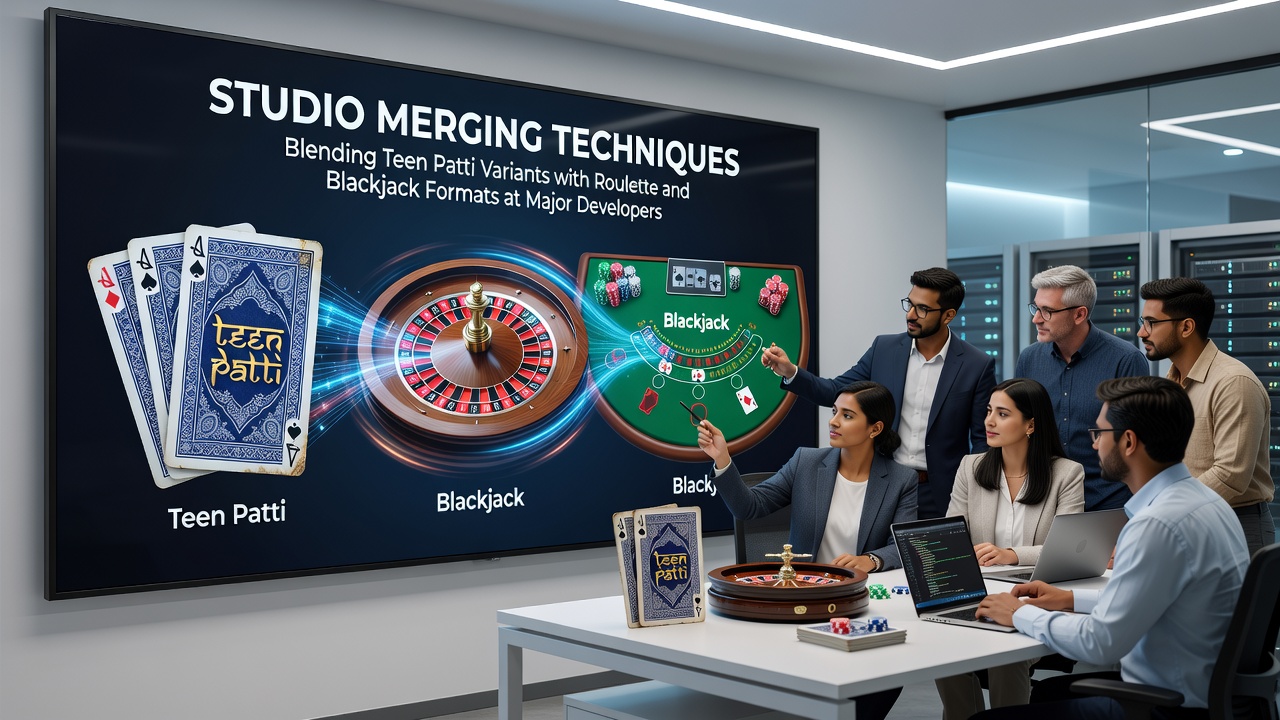
Studio Integration Approaches for Combining Teen Patti Variants into Roulette and Blackjack Experiences
Leading developers have pursued studio merging techniques that allow Teen Patti variants to operate alongside roulette wheels and blackjack tables within unified live environments, and these methods rely on synchronized backend systems that handle multiple game states simultaneously while maintaining separate betting interfaces for each format. Data from industry reports in October 2026 shows increased adoption of such hybrids among providers seeking to expand player engagement across regional preferences.
Core Technical Frameworks Employed by Major Studios
Developers implement modular software architectures where Teen Patti card mechanics integrate with roulette outcome generators through shared random number servers, and these servers distribute results to distinct visual layers without cross-contamination of game logic. Blackjack hand resolution engines connect similarly via API bridges that pull from a central player database, allowing participants to switch between formats in one session while preserving individual account balances and history logs.
Studies conducted by research institutions indicate that latency reductions occur when studios apply edge computing nodes positioned near regional data centers, and this setup supports real-time updates for card draws in Teen Patti alongside wheel spins in roulette. Major providers such as those operating in Asia-Pacific markets have documented deployment of these nodes to achieve sub-100 millisecond response times across blended tables.
Mechanics for Teen Patti and Roulette Combinations
Integration begins with side-bet overlays that let players place Teen Patti sequence wagers on numbers generated by an adjacent roulette wheel, and the system maps card ranks to wheel sectors through predefined conversion tables. This mapping preserves the probabilistic integrity of both games while presenting unified result animations on dealer feeds. Observers note that studios test these mappings extensively to ensure house edges remain consistent with standalone versions.
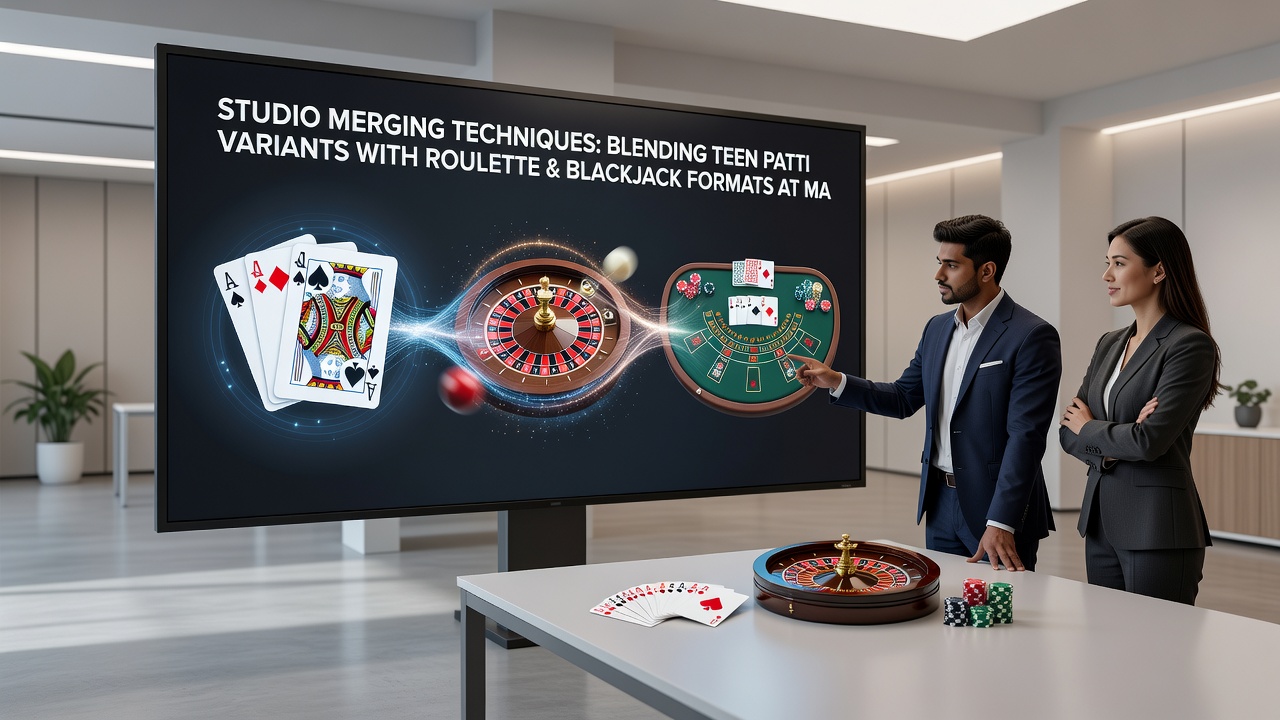
Multi-camera setups capture dealers managing both physical wheels and card shoes, and software composites these feeds into single streams that highlight relevant actions based on active player bets. According to figures from the European Gaming and Betting Association, such composite streams have appeared in over 120 new table configurations released by top studios during 2026.
Blackjack Integration Patterns and Synchronization
Blackjack dealer interfaces receive Teen Patti variant modules that trigger supplemental rounds when specific blackjack outcomes appear, and these modules use conditional scripting to pause or resume standard play without disrupting table flow. Researchers at academic centers specializing in game mathematics have examined the statistical models behind these triggers, confirming that payout structures align with regulatory standards across jurisdictions.
Providers apply player position tracking that assigns virtual seats for Teen Patti while retaining physical blackjack positions, and this dual assignment runs on a single server cluster that updates both sets of rules in parallel. The approach allows operators to offer variant-specific promotions that apply across both formats within the same environment.
Implementation Examples from Leading Developers
One developer released a hybrid product in October 2026 that combined a popular Teen Patti variation with European roulette rules, and the release relied on a custom middleware layer to synchronize dealer actions across formats. Another studio incorporated blackjack side elements drawn from Teen Patti sequences, using data validation routines that cross-check results against independent audit logs supplied by third-party testing labs.
Industry organizations have tracked these implementations through quarterly reviews, and the reviews reveal steady growth in the number of tables supporting multiple regional card games alongside classic wheel and table formats. Developers continue to refine collision detection algorithms that prevent overlapping bets from creating unintended payout conflicts.
Conclusion
Studio merging techniques continue to evolve through incremental improvements in software layering and hardware synchronization, with evidence from multiple sources pointing to sustained investment by major developers in these hybrid capabilities. The documented approaches maintain separation between game rules while delivering cohesive player experiences across Teen Patti, roulette, and blackjack formats.