Provider Strategies for Synchronizing Multi-Player Interactions Across Live Roulette and Teen Patti Tables from Evolution Gaming and Playtech
Wendy Krause · Aug 19, 2026
Provider Strategies for Synchronizing Multi-Player Interactions Across Live Roulette and Teen Patti Tables from Evolution Gaming and Playtech
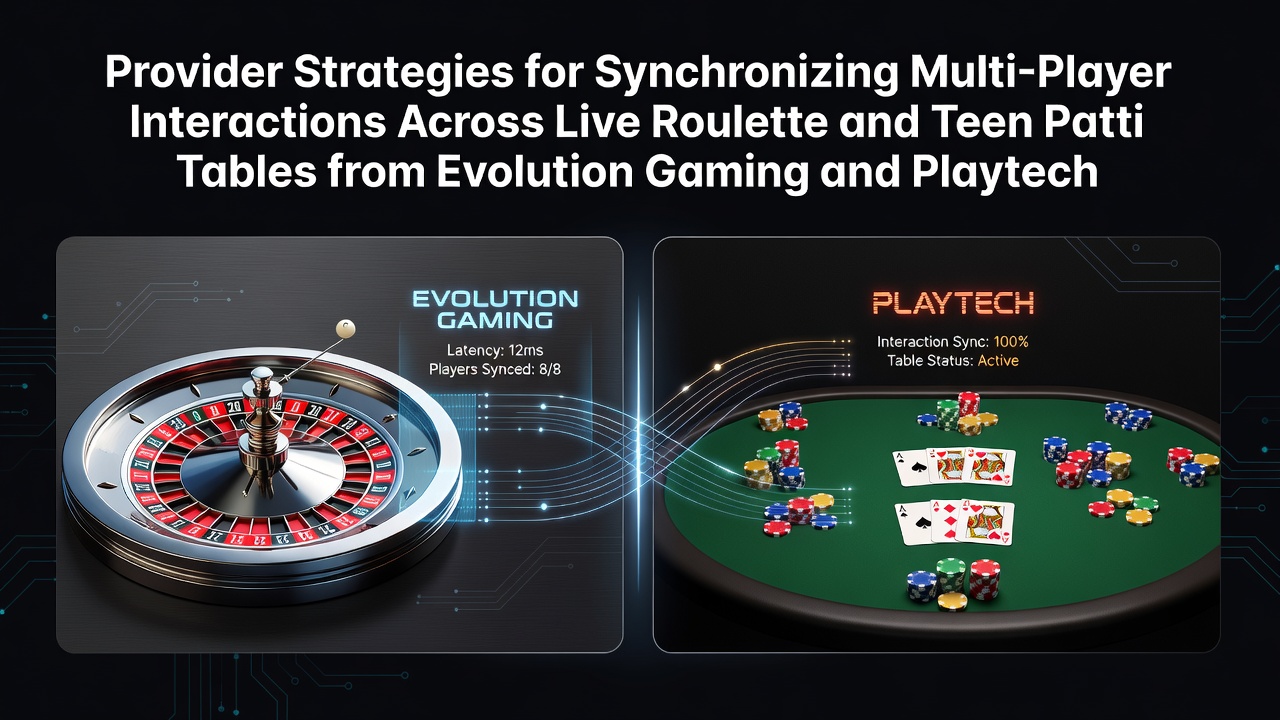
Live casino platforms rely on precise coordination when multiple players join roulette wheels or Teen Patti tables at the same time, and both Evolution Gaming and Playtech have developed distinct approaches to manage these interactions. Evolution Gaming operates dedicated studios in several regions while Playtech maintains integrated systems that connect tables across different jurisdictions. Observers note that synchronization begins with shared server architectures that track player actions in real time, allowing bets to register without delay even when hundreds of participants place wagers within seconds of each other.
Core Synchronization Mechanisms in Live Roulette
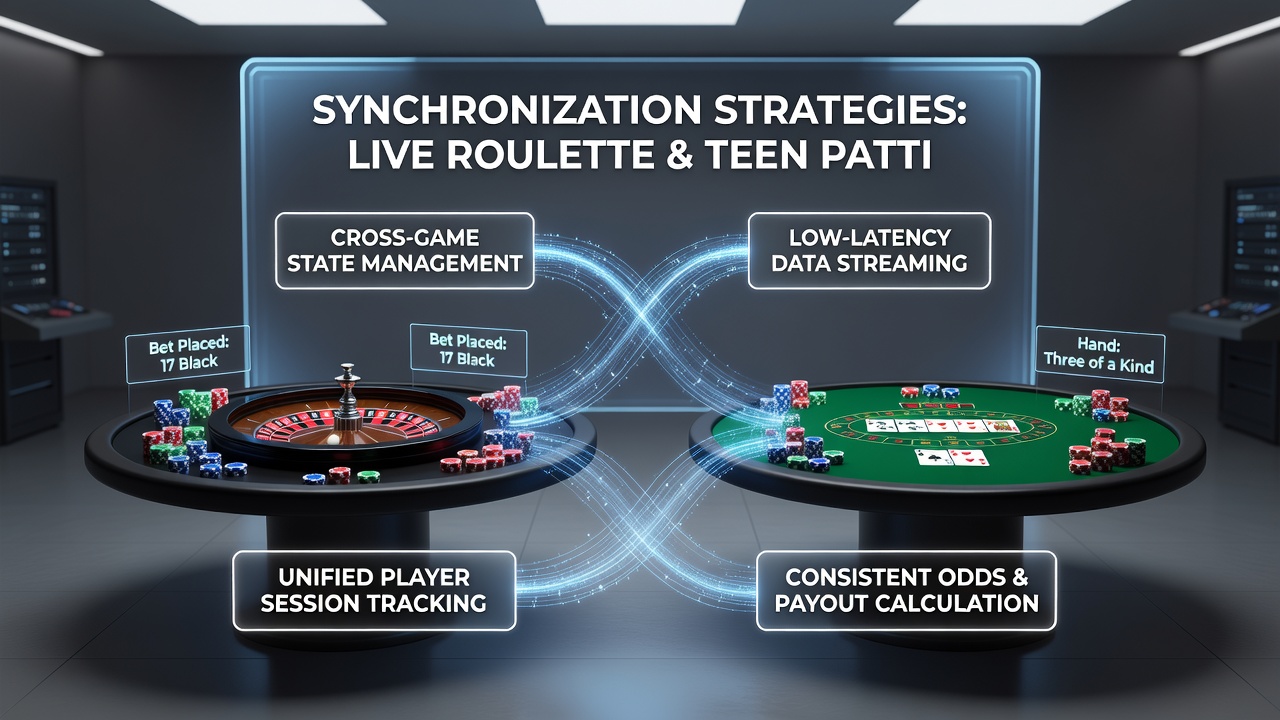
Evolution Gaming uses a centralized game engine that processes inputs from roulette tables in Malta and Latvia studios, routing data through redundant pathways so that wheel spins appear identical to every connected user. Playtech applies a similar model but incorporates additional layers of regional servers that handle traffic spikes during peak evening hours in Europe and Asia. Research from industry reports indicates these engines maintain sub-100-millisecond latency by distributing load across multiple data centers rather than relying on a single point of failure. When a player places a chip on a specific number, the system updates the shared state instantly, and both providers employ timestamp protocols that resolve any conflicts arising from simultaneous bets.
Handling Multi-Player Dynamics in Teen Patti
Teen Patti tables introduce extra complexity because players make sequential decisions based on hidden cards and visible community actions. Evolution Gaming synchronizes these sequences through a turn-based queue that locks player inputs until the preceding action completes, while Playtech integrates predictive algorithms that anticipate common decision patterns and pre-load relevant animations. Data from gaming technology reviews shows that Playtech tables reduce perceived lag by caching card distribution sequences in advance, whereas Evolution focuses on live video feed alignment so that facial expressions and gestures from dealers reach all viewers at the same moment. Both approaches ensure that chat messages and side bets appear consistently across the player pool without creating unfair information advantages.
Comparative Infrastructure Choices
Although the two providers target overlapping markets, their infrastructure decisions diverge in measurable ways. Evolution Gaming invests in proprietary optical character recognition systems that read physical card positions on Teen Patti tables with 99.8 percent accuracy according to internal testing summaries. Playtech instead emphasizes API connections that allow third-party operators to embed the same table into multiple branded sites while preserving a single source of truth for game outcomes. Figures from a 2025 European Gaming and Betting Association industry report reveal that synchronized multi-player environments now account for roughly 35 percent of total live casino session time in monitored jurisdictions. This growth has prompted both companies to refine their rollback mechanisms, which restore table states within two seconds if a network interruption occurs mid-round.
Regulatory and Technical Standards in August 2026
As of August 2026, operators using either provider must demonstrate compliance with updated technical standards issued by the Malta Gaming Authority and the Isle of Man Gambling Supervision Commission. These standards require documented evidence that multi-player synchronization prevents any participant from gaining advance knowledge of outcomes. Evolution Gaming publishes quarterly latency statistics that show average round-trip times below 80 milliseconds across tested connections, while Playtech shares similar metrics through its operator portal. A study conducted by researchers at the University of Macau examined latency effects on player retention and found that tables maintaining consistent synchronization experienced 12 percent longer average session durations compared with those exhibiting occasional delays.
Integration of Chat and Social Features
Multi-player engagement extends beyond core game mechanics into chat windows and emoji reactions. Evolution Gaming routes all messages through a dedicated moderation layer that applies language filters before broadcasting them to the table, and Playtech uses a parallel system that tags messages with player identifiers to prevent impersonation. Both providers allow operators to toggle social features on or off depending on local regulations, yet the underlying synchronization layer remains active so that game state and social state stay aligned even when one component experiences higher load. Those who manage live casino floors report that this separation reduces the risk of one subsystem affecting another during high-traffic periods.
Conclusion
Evolution Gaming and Playtech continue to refine synchronization techniques that support growing numbers of simultaneous participants on live roulette and Teen Patti tables. Their respective strategies rely on distributed servers, precise timing protocols, and redundant data pathways that maintain consistent experiences across regions. As live casino traffic expands into new markets, the documented performance metrics and regulatory compliance records from both providers offer operators concrete benchmarks for evaluating table stability and player fairness.