Pragmatic Play Expands Audience Reach Through Poker-Infused Baccarat Game Shows
Carlo Neumann · Nov 9, 2026

Pragmatic Play Expands Audience Reach Through Poker-Infused Baccarat Game Shows
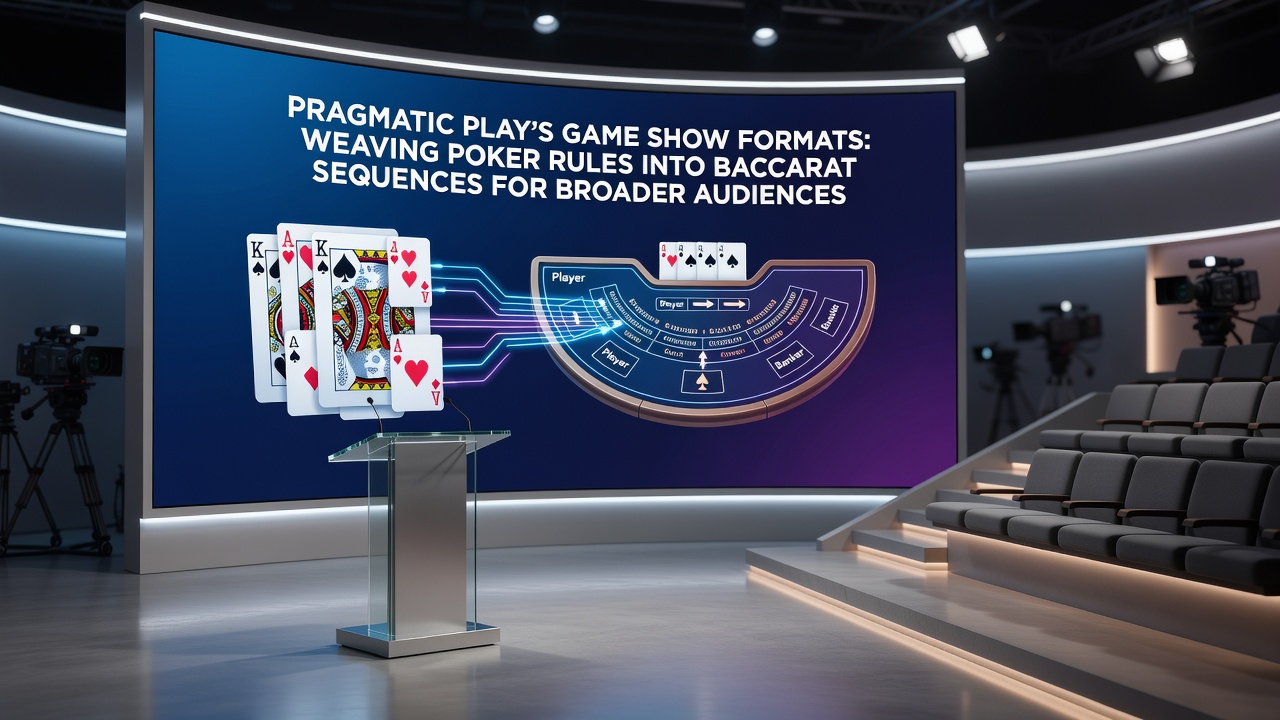
Pragmatic Play has rolled out several live game show formats that integrate poker hand rankings directly into baccarat sequences, and these productions run on dedicated studio floors equipped with multiple camera angles plus real-time graphics overlays. The core mechanic lets players place standard baccarat bets on banker or player while side wagers resolve according to poker combinations drawn from the same card stream, which creates simultaneous decision points without extending round duration beyond conventional baccarat timing.
Core Mechanics and Sequence Design
Each round begins with the dealer revealing two cards for banker and player in the usual baccarat manner, yet the system immediately evaluates any three-card poker outcomes that appear when the third card draws occur, and observers note that this dual-resolution layer runs through proprietary RNG verification to maintain regulatory compliance across multiple jurisdictions. Bonus multipliers trigger when a player’s side bet matches a poker flush or straight, while the main baccarat payout remains unchanged, which keeps the base game accessible to traditional baccarat participants yet adds depth for those familiar with poker terminology.
Studio hosts guide viewers through the combined rules using on-screen prompts that highlight both baccarat totals and poker rankings in parallel, and this presentation style has been adopted in productions launched ahead of the November 2026 schedule updates announced by several European operators. Data from the New Jersey Division of Gaming Enforcement shows that hybrid table games with layered betting options recorded steady participation growth throughout 2025, and Pragmatic Play’s titles follow similar structural patterns.
Technical Integration Across Live Environments
Behind the scenes, the game engine synchronizes baccarat shoe progress with poker evaluation algorithms through a single card stream, and this architecture reduces latency while allowing seamless insertion of game-show segments such as random multiplier wheels or community bonus rounds that activate at set intervals. Multiple player interfaces support both desktop and mobile clients, which means participants can toggle between standard baccarat views and expanded poker-statistic panels without leaving the session.
Research published by the University of Nevada, Reno’s gaming research center indicates that audiences exposed to combined rule sets demonstrate higher retention when visual cues clearly separate the two scoring systems, and Pragmatic Play titles incorporate color-coded overlays to achieve that separation. The company’s development logs, shared at industry conferences, confirm that testing phases included focus groups drawn from both poker and baccarat communities to calibrate betting limits and reveal frequencies.
Market Adoption and Regulatory Context
Operators in Canada and parts of the Asia-Pacific region began carrying these formats during the first half of 2026, and figures released by the Alcohol and Gaming Commission of Ontario list increased handle on hybrid live tables compared with standalone baccarat offerings in the same period. The integration of poker elements expands the potential player base because individuals who prefer poker hand rankings can participate without abandoning baccarat’s simpler core wager structure.
Additional features include periodic tournament overlays where accumulated side-bet points convert into leaderboard positions, and these events run on fixed schedules that align with major sporting calendars to capture crossover interest. Providers coordinate with local regulators to ensure that all poker-derived payouts meet probability disclosure requirements, while the underlying baccarat random number generation continues to follow established audit protocols.
Conclusion
Pragmatic Play’s approach demonstrates how established card-game traditions can merge within live game-show frameworks, and continued deployment through late 2026 will depend on operator feedback regarding player segmentation and average session length. The formats maintain regulatory alignment across jurisdictions while presenting unified interfaces that accommodate diverse gaming preferences.